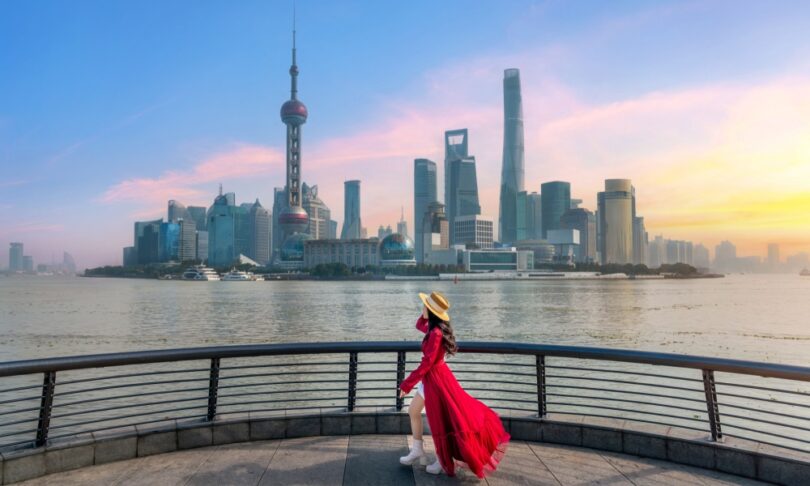

China rewards curious travelers with a mix of ancient history, futuristic skylines, and landscapes that shift dramatically from region to region. With a little planning, you can move through the country comfortably and confidently, enjoying smooth logistics rather than scrambling through crowded stations or navigating unfamiliar systems. When you approach your trip with a strategy — that is, choosing the right places to land, sleep, and explore — you can create more space for memorable moments and fewer chances for stress to creep in.
Thoughtful preparation doesn’t necessarily have to feel rigid. When you know which cities work as easy entry points, where to find relaxing places to stay, and how to move between destinations without friction, you can experience China’s highlights a their best. With the right mindset — and this useful guide — you’ll see how this country becomes surprisingly easy to navigate, allowing you to enjoy its full range of cultures, flavors, and scenery.

Imperial Palace, Beijing
Arrive in Comfort
China’s major international airports differ more than you might expect, and that’s why picking the right one can totally shape the tone of your entire trip. Both Beijing (BJS) and Beijing Daxing (PKX) offer streamlined arrivals and fast links to the city, but Daxing tends to feel calmer and more modern, giving you a softer landing after a long flight. Shanghai Pudong (PVG) makes onward travel simple if you plan to continue to cities like Hangzhou or Suzhou thanks to its high‑speed rail connections directly accessible from the airport. If your itinerary leans south, then Guangzhou Baiyun (CAN) and Shenzhen (SZX) provide smooth, well‑organized arrivals with easy transfers into their city centers or surrounding regions.
Choosing your entry point based on your first destination will help you cut down on travel fatigue. If you’re headed toward western destinations like Chengdu (CTU) or Xi’an (SIA), consider flying directly into those hubs rather than routing through Beijing or Shanghai. Both airports handle international arrivals comfortably and place you close to some of China’s most intriguing cultural and culinary experiences. Landing where you plan to explore first will give you the advantage of a more relaxed start, sparing you from the hassle of an extra domestic flight on your first day.
Cool Accommodations
It’s a given that well‑located and thoughtfully designed accommodations can elevate your entire experience. Many Chinese cities offer boutique hotels in walkable districts where cafés, parks, and metro stations are all at your doorstep. Staying in neighborhoods like Beijing’s Sanlitun, Shanghai’s French Concession, or Chengdu’s Jinli area provides easy access to standout food, inviting streets, and major sights without feeling cut off in a high‑traffic business zone.
If you prefer a more scenic backdrop, then coastal and countryside stays can bring a refreshing balance to a busy itinerary. Cities such as Xiamen and Qingdao offer beachfront hotels with inviting promenades that encourage slow morning walks. For mountain views and fresh air, places around Guilin and Yangshuo feature riverside inns where you can unwind between excursions.

The Great Wall of China
Beat the Crowds
Yes, many of China’s top attractions can draw large numbers of visitors, but it’s also surprisingly easy to enjoy them without feeling overwhelmed. Visiting early in the morning often transforms the experience, especially for iconic places like the Great Wall or the Bund. Shoulder‑season travel — spring and late autumn — keeps things comfortable, with milder weather and fewer tour groups. You will definitely still enjoy full access to major sites without battling midday congestion.
Choosing alternative destinations also helps you avoid the wildest crowds while still capturing the essence of what draws people to China. Instead of the busiest parts of Guilin, you can try to stay in smaller towns along the Li River, where views are just as dramatic. If you love ancient architecture but want a quieter atmosphere than Xi’an’s center, consider nearby towns like Hancheng or Pingyao. These places offer depth and character while giving you more space to explore at your own rhythm.
Discover Hidden Gems
Some of China’s most enjoyable destinations are lesser‑known but still easy to reach. Fujian’s tulou villages offer a fascinating look at round earthen communal buildings set among rolling hills; the region feels peaceful without being isolated. In Zhejiang, the ancient water towns outside Hangzhou provide peaceful canals and charming lanes ideal for a slow stroll. These spots feel special without requiring long transfers or complicated planning.
If you prefer dramatic scenery, Guizhou’s terraced landscapes and villages allow for memorable experiences that remain accessible thanks to well‑maintained roads and growing rail connections. Looking for something different? The grasslands outside Hohhot offer wide horizons and a relaxing contrast to China’s busiest cities.

Jiabang Rice Terraces, Guizhou province
Move with Ease
You’ll soon find out that traveling within China becomes remarkably simple once you understand how its transportation network fits together. High‑speed trains connect major cities with efficient, punctual service, making routes like Shanghai–Hangzhou, Beijing–Tianjin, and Chengdu–Chongqing smooth and predictable. These routes give you city‑to‑city access without the airport routine, allowing you to spend more time exploring and less time waiting in lines.
Domestic flights will help you cover longer stretches comfortably, especially if you’re pairing distant regions such as the southwest and the northeast. On the other hand, ferries link coastal cities and nearby islands, providing a slower but way more relaxing way to shift gears. By grouping destinations geographically — such as a Yangtze River Delta loop or a southwest circuit around Chengdu, Kunming, and nearby natural areas — you will keep transitions simple and enjoyable.
You May Also Like: 7 Days in China? Yes, It Can Be Done!
Special Events
Lastly, China offers a handful of traditional experiences worth timing your trip around. The Harbin Ice and Snow Festival transforms wintertime into a dazzling world of sculptures and glowing frozen towers. The Dragon Boat Festival adds excitement to riverside cities with spirited races and lively celebrations. And, of course, lantern festivals across the country light up parks with colorful displays that feel both festive and calming. All these events will definitely deepen your connection to the culture you’re exploring and add some truly memorable moments that go beyond everyday sightseeing.
Do you have any tips for making a trip to China easier? Let us know in our comments section below!