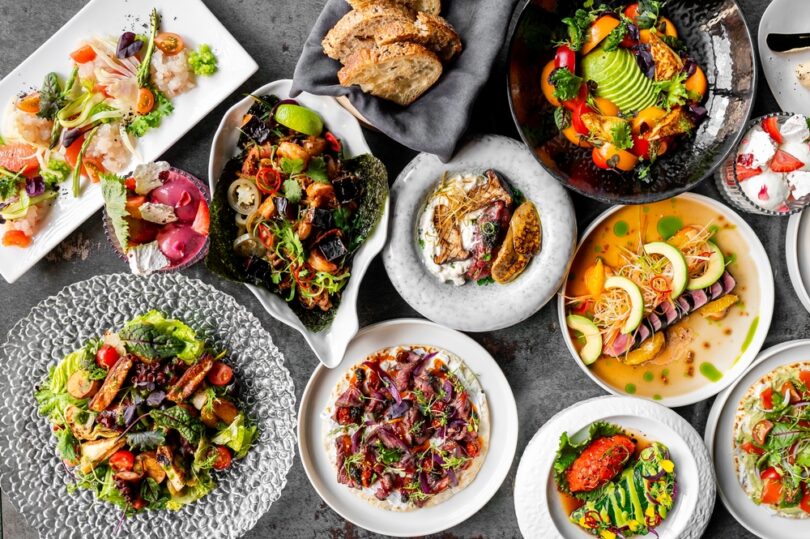

As plant-based lifestyles continue to gain momentum around the world, vegetarian travelers are discovering that exploring new cultures doesn’t have to mean they have to compromise on their dietary choices. From spiritual traditions to seasonal cooking philosophies, many global cuisines naturally embrace meat-free meals, offering rich culinary experiences that go far beyond salads and side dishes. Whether you’re a lifelong vegetarian or simply seeking more sustainable and health-conscious options while abroad, the world is full of destinations where plant-based eating is celebrated.
Cultural attitudes play a key role in shaping how vegetarian-friendly a country is. In some places, religious beliefs have long promoted meatless diets, while others rely on fresh produce, grains, and legumes as the foundation of their traditional fare. From the spice-laden thalis of India to the tofu-rich street food of Thailand, the following countries show that going green can be a delicious adventure.

Paneer tikka – India
India
India is a dream destination for vegetarian travelers, a place where plant-based eating is deeply rooted in both culture and religion. With a significant portion of the population following vegetarian diets, the country offers a wide variety of meat-free meals that are rich in flavor, texture, and tradition.
In Mumbai, street food reigns supreme with dishes like vada pav, pav bhaji, and vegetable dosas served hot and spicy from roadside stalls. Chennai, in the south, showcases Tamil cuisine with comforting staples such as sambar, rasam, and idli, often presented as part of a traditional South Indian thali, a colorful spread of small, complementary dishes. Northern cities like Delhi and Jaipur offer creamy paneer tikka, chole bhature, and aromatic vegetable biryanis, each reflecting the region’s particular spice blends and cooking techniques.
Thailand
Thailand offers a flavorful experience for vegetarian travelers, especially those drawn to street food culture. Thanks to Buddhist influences and a strong tradition of plant-based cooking, many Thai dishes are naturally meat-free or easily adapted. The key is knowing the word “jay,” which denotes vegetarian food prepared without meat, fish sauce, or animal byproducts.
In Bangkok, vegetarian pad Thai made with tofu and tamarind sauce is a street food staple, while green curry with coconut milk and seasonal vegetables delivers rich, aromatic comfort. Chiang Mai, in the north, is known for its laid-back vibe and abundance of vegetarian cafés serving dishes like papaya salad, stir-fried morning glory, and pumpkin soup infused with lemongrass and galangal. Even in smaller towns and beach destinations like Krabi or Koh Samui, travelers will find fresh fruit smoothies, rice noodle soups, and curries that cater to meat-free diets.

Vegetarian Pad Thai – Thailand
Italy
Italy may be famous for its cured meats, but it’s also a haven for vegetarian travelers who appreciate simple, seasonal cooking. Italian cuisine is rooted in regional traditions that emphasize fresh produce, grains, and olive oil, making it naturally accommodating to meat-free diets. Travelers will find that most trattorias and osterias are happy to accommodate vegetarian preferences, especially in regions where vegetables and legumes are central to the cuisine.
In Rome, dishes like cacio e pepe, margherita pizza, and fried zucchini blossoms showcase the beauty of minimal ingredients prepared with care. Florence offers hearty vegetarian options such as ribollita, a Tuscan bread and vegetable soup, and mushroom risotto made with local porcini. Naples, the birthplace of pizza, serves up classic wood-fired pies topped with tomatoes, basil, and mozzarella — no meat required.
Japan
Japan offers a serene and thoughtful approach to vegetarian cuisine, rooted in centuries-old Buddhist traditions. Shojin ryori, the plant-based temple food developed by Zen monks, emphasizes seasonal vegetables, tofu, and subtle flavors that reflect harmony and mindfulness. This style of cooking can be found in Kyoto’s temple restaurants, where meals are served in elegant, multi-course presentations.
In Tokyo, vegetarian travelers can enjoy dishes like vegetable sushi rolls, miso soup, and agedashi tofu at specialized restaurants or modern cafés. Cities such as Nara and Kamakura also offer vegetarian-friendly dining, often near historic temples and gardens. While traditional Japanese cuisine frequently includes fish-based broths and sauces, many restaurants now cater to plant-based diets, especially in urban areas. Navigating menus can be a challenge, but apps and guides are available to help identify vegetarian options. Look for restaurants labeled “shojin ryori” or those with clear vegetarian menus.

Vegetarian sushi rolls – Japan
Taiwan
Taiwan stands out as one of the most vegetarian-friendly destinations in Asia, thanks to its deep-rooted Buddhist traditions and widespread cultural acceptance of meat-free diets. Vegetarianism is not just a lifestyle choice here– it’s often a spiritual practice, which has led to a proliferation of restaurants catering specifically to vegetarians and vegans.
Mock meats made from soy and wheat gluten are common and creatively used in dishes that mimic traditional Taiwanese flavors. Tofu, in all its forms — from silky soft to crispy fried — is a staple, often paired with fresh vegetables and savory sauces. Stir-fries, noodle soups, and rice dishes are easily found in vegetarian versions, and many eateries clearly label their menus to help diners avoid animal products.
Taiwan’s famous night markets, typically known for their meat-heavy street food, also offer a surprising number of vegetarian options. Look for stalls selling grilled mushrooms, sweet potato balls, and vegetarian dumplings. In cities like Taipei and Tainan, dedicated vegetarian buffets and Buddhist restaurants provide an abundance of choices, often priced affordably and served in a casual, welcoming atmosphere.
Mexico
Mexico’s long culinary heritage offers a wide array of vegetarian options rooted in indigenous ingredients and traditions. Staples like corn, beans, squash, and chiles form the backbone of many dishes, making it easy for visitors to enjoy authentic flavors without meat. Vegetarian tamales, filled with cheese, vegetables, or mole, are a comforting street food favorite. Chiles rellenos — poblano peppers stuffed with cheese and coated in egg batter — are another classic, often served with tomato sauce and rice. Nopales, or cactus paddles, are commonly grilled or sautéed and added to tacos or salads for a tangy, nutritious twist.
Markets and street stalls across the country offer plenty of meat-free snacks, from esquites (corn in a cup with lime and chili) to tlacoyos (masa cakes stuffed with beans or cheese). However, navigating menus can require a bit of care, as lard and meat-based broths are sometimes used in traditional preparations. Asking for dishes “sin carne” (without meat) or “vegetariano” can help, and many restaurants are happy to accommodate.
You Might Also Enjoy: Great Vegetarian — and Veggie-Friendly — Restaurants Around the U.S.

Tlacoyos – Mexico
FAQs:
Q: How can I communicate dietary restrictions in countries where I don’t speak the language?
A: Carry a translation card or app that clearly states your dietary needs. Many apps offer pre-written phrases in local languages, which can help avoid confusion in restaurants or markets.
Q: Are vegetarian meals available on international flights?
A: Yes, most airlines offer vegetarian options if requested in advance. Be sure to select your meal preference when booking or update it through the airline’s website at least 24 hours before departure.
Q: What should I watch out for in sauces and broths?
A: Many traditional sauces and soups use fish sauce, meat stock, or lard. Ask specifically about ingredients or look for vegetarian-certified labels when available.
Q: Are there apps that help find vegetarian restaurants abroad?
A: Yes, apps like HappyCow, abillion, and Vanilla Bean are popular for locating vegetarian and vegan-friendly restaurants worldwide, complete with reviews and photos.
Q: Is it safe to eat street food as a vegetarian?
A: Generally yes, but choose stalls with high turnover and visible cooking practices. Avoid pre-cooked items sitting out too long, and ask about ingredients to avoid hidden meat or animal fats.
Q: How do I handle social situations where meat is central to the meal?
A: Be polite and explain your dietary choice in advance if possible. Many hosts will appreciate the heads-up and may offer alternatives or modify dishes to accommodate you.
Q: Can I find vegetarian options in rural areas or small towns?
A: It may be more challenging, but staples like rice, beans, vegetables, and bread are usually available. Learning a few key phrases and being flexible with local ingredients helps a lot.
Do you have any tips for eating vegetarian while abroad? Tell us about them in the comments below!