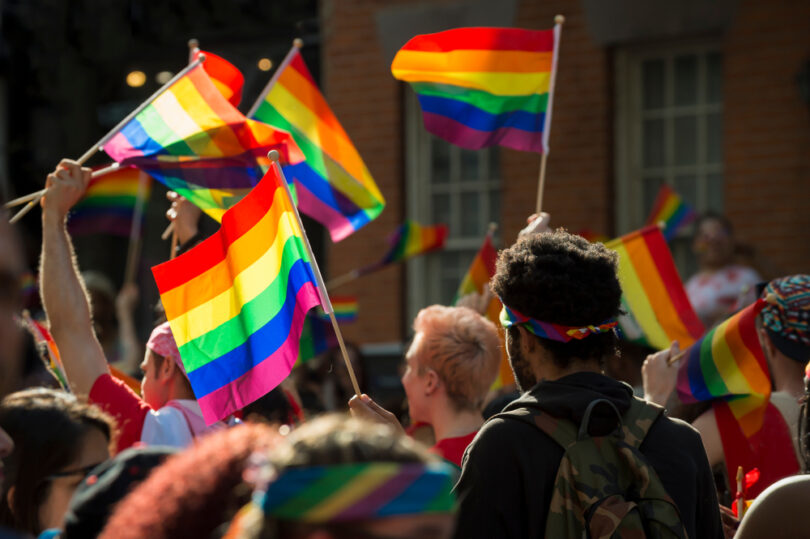
Every June, cities around the world explode in a kaleidoscope of color, music, and movement as LGBTQ+ communities and allies gather to celebrate Pride. But beyond the glitter and parades lies a deep and powerful history, one rooted in resistance, resilience, and the ongoing struggle for equal rights. Pride, at its core, honors the courage of those who dared to live authentically in the face of oppression and sparked global movements for change.
Tracing the origins of Pride parades takes us on a journey through time and across continents, from the streets of New York City after Stonewall to the canals of Amsterdam, and from the night-lit spectacle of Sydney’s Mardi Gras to the fierce, joy-filled march down São Paulo’s Avenida Paulista. These historic Pride celebrations are living testaments to cultural shifts, political uprising, and the enduring power of visibility.
Join us as we explore some of the world’s most iconic and long-standing Pride parades — how they began, what makes them distinctive, and why they remain vital spaces of protest, pride, and possibility for millions around the globe.

Christopher Park, New York City
New York City
Few places are as central to the LGBTQ+ rights movement as New York City, the birthplace of what we now recognize as Pride. The spark was lit in the early hours of June 28, 1969, when patrons of the Stonewall Inn, a gay bar in Greenwich Village, resisted a police raid in a spontaneous act of defiance. That uprising became a rallying cry for queer liberation, and one year later, thousands marched through Manhattan to mark the anniversary, an event now considered the first Pride march.
NYC Pride, officially established in 1970, has since grown into one of the largest and most influential LGBTQ+ events in the world. At its heart is a deep reverence for the Stonewall legacy, evident in annual commemorations at the historic site, now a national monument. The march down Fifth Avenue remains the centerpiece, drawing hundreds of thousands of participants and onlookers.
But NYC Pride is also a month-long celebration of identity, resistance, and community. PrideFest, rallies, and exhibitions bring together activists, families, artists, and allies to honor the past and envision a more inclusive future. It’s both a flashback and a force, where history and hope march side by side.
San Francisco, California
San Francisco’s Pride celebrations pulse with a legacy of activism, artistry, and unapologetic queer visibility. While the city’s first official Pride march took place in 1970 — just one year after Stonewall — San Francisco’s roots in LGBTQ+ advocacy run even deeper. Home to one of the first openly gay neighborhoods in America — the famed Castro district — and the backdrop for pivotal moments in queer history, the city has long been a sanctuary and a stage for the movement.
What makes SF Pride distinct is its deeply community-driven spirit and pioneering energy. In the heart of the city, Civic Center Plaza transforms into a lively scene of music, politics, and performance, welcoming hundreds of thousands of visitors each June. Signature events like the Dyke March, Trans March, and Pink Saturday add dimension, each amplifying the voices of specific communities within the LGBTQ+ spectrum.
From Harvey Milk’s early calls for visibility to contemporary fights for trans rights and racial justice, San Francisco Pride is a city that has never been afraid to push boundaries. With politics and celebration threaded through every banner and beat, SF Pride is an enduring statement of radical love, resilience, and resistance.

San Francisco City Hall, Pride Week
London, England
London’s Pride story begins in 1972, when members of the Gay Liberation Front organized the UK’s first official march for LGBTQ+ rights. Inspired by the Stonewall uprising and growing global momentum, around 2,000 people took to the streets that summer, demanding visibility and equality in a time of intense stigma and legal discrimination. That modest protest would grow into one of Europe’s largest and most high-profile Pride events.
Today, Pride in London draws crowds in the hundreds of thousands, uniting people across the UK in a powerful expression of solidarity and celebration. The parade winds its way through the heart of the city, from Hyde Park to Trafalgar Square, flanked by historic landmarks that once bore witness to decades of resistance and reform.
London’s Pride traditions reflect its diverse community and political roots. LGBTQ+ advocacy groups, faith organizations, drag performers, and trade unions march side by side, representing a wide spectrum of identities and causes. From speeches by activists to exuberant street parties, the energy is both joyful and galvanizing. Celebration and remembrance coexist here: honoring the progress made while keeping the movement’s early struggles and unfinished battles firmly in view.
Berlin, Germany
Berlin’s Christopher Street Day, or CSD, is both a celebration and a political demonstration — a reflection of Germany’s complex LGBTQ+ history and its ongoing fight for equality. Established in 1979 and named after the location of New York’s Stonewall Inn, CSD marked the beginning of Pride traditions in continental Europe. It emerged at a time when Germany, still reckoning with the legacy of Paragraph 175 (the law criminalizing homosexuality), faced mounting activism from queer communities demanding change.
Berlin, long known for its vibrant queer culture dating back to the early 20th century, provides a striking backdrop for CSD. Today’s parades draw hundreds of thousands, weaving through the city’s wide boulevards, past historic landmarks where both oppression and progress have unfolded. Floats and banners are steeped in politics, spotlighting local and global LGBTQ+ issues, from trans rights to refugee support.
While CSD pulses with music, dance, and street-festival energy, protest remains its beating heart. Berlin’s version of Pride refuses to be de-radicalized; it leans into activism, honoring the struggles of the past while confronting the injustices of the present. In a city once divided by walls, the march continues as a living act of unity, visibility, and resistance.

Brandenburg Gate, Berlin
Sydney, Australia
Sydney’s Mardi Gras is one of the most iconic and theatrical LGBTQ+ celebrations in the world, but behind the sequins and spectacle lies a powerful story of protest, resilience, and transformation. The first Mardi Gras in 1978 was a modest street march meant to commemorate the Stonewall uprising. It ended in violence, with police attacking and arresting participants. That night led to public outrage, legal reforms, and a legacy of bold defiance that continues today.
Now drawing hundreds of thousands each year, Sydney Mardi Gras takes place each February or March as part of the Southern Hemisphere’s summer season. The nighttime parade down Oxford Street is its dazzling centerpiece, featuring glittering floats, choreographed dancers, and elaborate costumes. But the festival also includes political forums, art exhibitions, and events that center First Nations voices, trans and gender-diverse communities, and global queer solidarity.
In 2023, Sydney hosted WorldPride, further cementing its place on the international stage. The city’s Mardi Gras honors its rebellious roots while embracing reinvention, always with an eye on human rights and visibility. In Sydney, the spirit of pride is loud, joyful, deeply rooted, fiercely inclusive, and unstoppable.
São Paulo, Brazil
In sheer scale and energy, few Pride events on Earth rival São Paulo’s. Held annually since 1997 on Avenida Paulista, the city’s main thoroughfare, São Paulo LGBT Pride Parade has grown into one of the largest Pride celebrations in the world, with recent editions drawing over three million participants. But its story is about more than numbers; it reflects the power of visibility in a country marked by both vibrant queer culture and deep social challenges.
The origins of the parade are rooted in activism. LGBTQ+ groups in Brazil have long confronted legal discrimination, conservative politics, and widespread violence, particularly against trans people and queer communities of color. The São Paulo parade emerged as a response, demanding space, safety, and recognition. Its emphasis on political messaging remains front and center today, with each year adopting a strong theme that addresses current struggles around human rights and equality.
While the tone is celebratory — music thunders through the streets and costumed performers ride towering carnival floats — the message is urgent. In a nation where progress and backlash often collide, São Paulo’s Pride is a loud, defiant act of joy and resistance. It’s a citywide declaration: we’re here, we’re many, and we won’t be silenced.
You Might Also Enjoy: Happy Pride! 5 Family-Friendly LGBTQ+ Events Around the U.S.

São Paulo, Brazil
Tel Aviv, Israel
Tel Aviv Pride stands out not only as the largest LGBTQ+ event in the Middle East, but also as a symbol of visibility in a region where LGBTQ+ rights and acceptance vary widely and are often under threat. What began in the early 1990s as a modest community gathering has grown into a sprawling, weeklong celebration drawing over 250,000 participants from across Israel and around the world.
Tel Aviv itself has long been considered a relative safe haven for LGBTQ+ people in the region. The city’s Pride events reflect that spirit of openness — colorful, high-energy, and widely embraced by the local population. The centerpiece is the Pride Parade, which winds through the city before ending in a shoreside party along the Mediterranean coast, complete with DJs, dancing, and beachside festivities.
Yet, Tel Aviv Pride is not without complexity. It exists at the intersection of queer identity, religion, nationalism, and politics. Activists within Israel raise critical conversations about pinkwashing, intersectionality, and the inclusion of marginalized voices, particularly Palestinian, trans, and Mizrahi communities. Still, the celebration resonates far beyond city limits. Tel Aviv Pride offers a rare, visible space for LGBTQ+ expression in a region where such freedoms are not guaranteed.
c
FAQs:
Q: When is Pride season?
A: Most Pride events take place in June, to mark the anniversary of the Stonewall Uprising. However, in cities like Sydney (February–March) and Tel Aviv (June, but varies), dates can differ due to local climate or scheduling. Always check the official event website for current dates.
Q: Do I need tickets to attend Pride parades or festivals?
A: Most Pride parades are free and open to the public. However, some cities host afterparties, performances, or special events that require tickets. Popular examples include Sydney’s Mardi Gras Party or Tel Aviv’s official beach events.
Q: Is it safe to attend Pride events as a tourist?
A: Generally, yes — especially in cities with well-established Pride traditions. That said, always stay aware of local laws and attitudes toward LGBTQ+ people, especially if you plan to venture beyond central or tourist-friendly areas.
Q: Can non-LGBTQ+ people attend Pride?
A: Absolutely. Pride events welcome allies, friends, and families. Being respectful, open-minded, and supportive of the LGBTQ+ community makes all the difference. Many events even have dedicated spaces or activities for families and supporters.
Q: How can I find local LGBTQ+-friendly accommodations and venues?
A: Sites like Misterb&b, Purple Roofs, and IGLTA offer LGBTQ+-friendly travel listings. Major cities often have “gayborhoods” or LGBTQ+ districts, such as the Castro in San Francisco or Schöneberg in Berlin, with welcoming bars, hotels, and businesses.
Q: Are Pride events accessible to people with disabilities?
A: Accessibility varies by city and event. Many major Prides offer services like wheelchair-accessible viewing areas and ASL interpretation. It’s best to consult the official event site or contact organizers in advance for specific accommodations.
Q: Can I bring my children to Pride events?
A: Many Pride parades and festivals are family-friendly, and some even feature dedicated “Family Pride” areas or kid-friendly events. However, late-night parties or adult-themed performances are best suited to adults only. Always check the event programming.
Where do you plan to celebrate Pride this year? Tell us about it in the comments below!