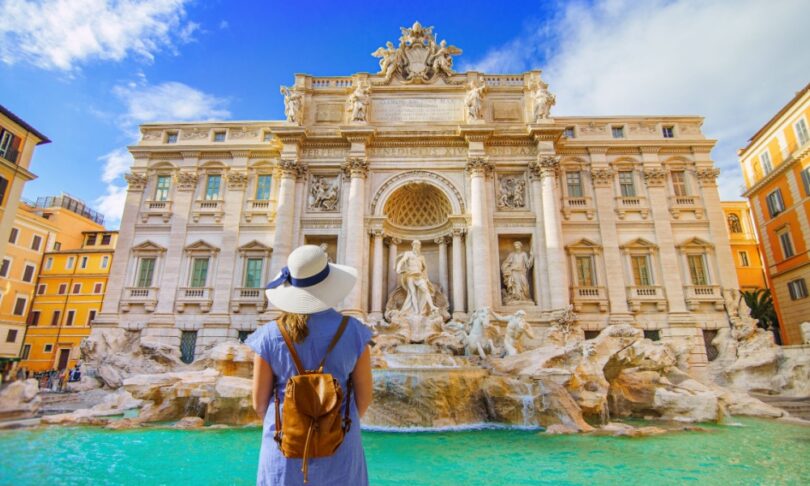

Visiting Rome feels like stepping into a history book — with the bonus of pizza and espresso. You’ll find ancient ruins, outdoor markets, and charming cafés all within walking distance. Whether you’re there for the landmarks, the food, or just the atmosphere, Rome is easy to enjoy. Not sure where to start? This guide will help you get the most out of your trip.

The Colosseum
What’s the Best Time to Visit Rome?
An ideal time to visit Rome is typically in the spring (April to early June) and fall (September to October). During these months, the weather is generally pleasant—warm but not too hot—and there are fewer tourists compared to the peak summer months. You’ll be able to enjoy attractions like the Colosseum and Vatican Museums with shorter lines and milder temperatures. Summer (especially July and August) can be very hot and crowded, while winter offers lower prices but cooler, sometimes rainy weather.
What’s the Cheapest Month to Fly to Rome?
The cheapest month to fly to Rome can vary from year to year and depends on a variety of factors, including how far in advance you book, the specific days you’re traveling, airline competition, and even current events. That said, January and February are often among some of the least expensive months to fly, largely due to lower demand after the holiday season. Late November and early December (before Christmas) can also offer competitive fares. Always compare dates and book earlier for great deals.

St. Peter’s Cathedral
How Far in Advance Should I Book a Flight to Rome?
Generally, booking your flight to Rome about 2 to 5 months in advance is a good rule of thumb for finding reasonable fares, especially if you’re planning to travel during spring or fall, which are popular times. If you’re targeting a visit during summer or a major holiday, consider booking even earlier — 6 months or more in advance — to find better pricing and more options. For budget travelers, staying flexible with your travel dates and using fare alerts can help you snag great deals.
How Many Days in Rome Is Enough?
To really experience Rome without feeling rushed, most travelers find that three to five days is a good amount of time. This allows you to see iconic historic landmarks while also taking in some local neighborhoods, enjoying the food, and possibly taking a day trip. If you’re very short on time, Rome can still be enjoyed in two days, but a longer stay will allow you to enjoy a more relaxed and rewarding experience.

Piazza Navona
How Can I Save Money on a Trip to Rome?
There are several ways to save money while traveling to Rome. First, consider visiting in the off-season (late fall or winter) when airfare and hotel rates are often lower. Book your accommodations and flights as early as possible to find better pricing. Use Rome’s excellent public transportation system instead of taxis, and consider walking between attractions — many are relatively close together. Also, invest in a tourist pass like the Roma Pass or Omnia Card, which can offer savings on entry fees and public transit. Eating at neighborhood trattorias or grabbing a slice of pizza or panini instead of dining in tourist-heavy areas can also cut down your food costs.
What Are the Cheapest Places to Fly into in Rome?
Rome has two main airports: Fiumicino (Leonardo da Vinci International Airport, FCO) and Ciampino (CIA). Fiumicino is the larger and more modern of the two, and most international flights — including those from North America and major European cities — land there. Ciampino is smaller and mainly serves low-cost carriers like Ryanair and Wizz Air. If you’re flying from within Europe, Ciampino often offers cheaper flights due to its use by budget airlines. However, your total cost might vary depending on ground transportation and baggage fees, so compare both options before booking.

Italian Gelato at Trevi Fountain
You May Also Like: Madrid Travel Brief: What to Know Before You Go
Additional FAQs:
Q: What are some must-see attractions and activities in Rome?
A: Top must-sees include the Colosseum and Roman Forum, where you can walk through ancient Roman history; the Vatican Museums, home to the Sistine Chapel and St. Peter’s Basilica; the Pantheon; and Trevi Fountain, where tossing a coin is said to ensure your return to the city. Exploring neighborhoods like Trastevere and Campo de’ Fiori offers a taste of local life, while admiring the art and architecture at spots like Piazza Navona, Villa Borghese, and the Spanish Steps rounds out your Rome experience.
Q: Which local dishes should I try in Rome?
A: Roman cuisine is simple, hearty, and full of flavor. Don’t leave without trying classic pasta dishes like carbonara, amatriciana, cacio e pepe, and gricia — all traditionally made with just a few fresh ingredients. Other local favorites include saltimbocca alla romana (veal with ham and sage), supplì (fried rice balls), Roman-style artichokes (carciofi alla romana or carciofi alla giudia), and pizza al taglio (Roman-style pizza by the slice). For dessert, look out for maritozzo (a sweet cream-filled bun) or a scoop of authentic Italian gelato.
Q: What are some of the best neighborhoods to stay in when visiting Rome?
A: For first-time visitors, staying in the Centro Storico (historic center) or near the Pantheon offers proximity to major sights. Trastevere is great if you want a more local and bohemian vibe, full of restaurants and charm. Monti is a great pick for boutique shopping and nightlife, while Prati offers quieter streets and closeness to the Vatican. Testaccio is a food lover’s neighborhood, less touristy but rich in authentic Roman character.
Q: What are the local transportation options in Rome?
A: Rome’s main transportation options include the Metro, buses, and trams, all run by the city’s ATAC network. The Metro is limited (just three lines), but it’s useful for reaching major landmarks quickly. Buses and trams cover more areas, though they can be slow during peak times. Tickets are valid across all forms of transit and must be purchased ahead of time and validated upon boarding. Taxis are available but can be pricy; rideshare services like Uber also operate, but options are more limited. Walking is often one of the best ways to get around in central Rome, as many attractions are within a short distance of each other.
Q: What are some cultural etiquette tips for visiting Rome?
A: In Rome, as in much of Italy, a general respect for tradition and personal presentation is appreciated. Dress modestly when visiting churches—shoulders and knees should be covered. When dining, it’s polite to greet staff with a “buongiorno” or “buonasera,” and tipping, while not mandatory, is appreciated (rounding up the bill or leaving a small amount is common). Avoid eating or sitting on historic monuments and observe quiet decorum in religious or solemn spaces. Learning a few basic Italian phrases can also go a long way in making a good impression.
Q: What are some of the best day trips from Rome?
A: Rome’s central location makes it a great base for day trips. Popular destinations include Tivoli, home to Villa d’Este and Villa Adriana; Orvieto, a hilltop town in Umbria known for its cathedral and underground caves; and Ostia Antica, an exceptionally preserved ancient Roman city that’s less crowded than Pompeii. The Castelli Romani region (especially Frascati and Castel Gandolfo) provides a relaxing escape with wine, villas, and lakeside views. Florence and Naples are also doable in a single day by high-speed train, though they’re better suited for longer stays if time allows.
Q: Is it necessary to book tickets for popular attractions in advance in Rome?
A: Yes, it’s highly recommended to book tickets in advance for popular attractions in Rome, especially during peak travel seasons. This includes the Colosseum, Vatican Museums, Borghese Gallery, and Domus Aurea. Booking ahead not only helps you secure an entry time but also saves time by skipping the often very long lines. Many of these sites offer official online ticket portals that allow you to choose a date and time. Guided tours can also be a worthwhile option, often including skip-the-line access and added historical context.
What was your favorite site to visit in Rome? Let us know in the comments section below!